
"Brazil export impact"
500 article(s) found

Introduction to the flavor and taste characteristics of Bolivian coffee varieties with fresh floral aroma
Although the Chinese coffee network has a variety of coffee, Brazilian coffee is suitable for the taste of the public. For example, coffee produced in the northern coastal areas has a typical iodine taste, reminiscent of the sea after drinking. This coffee is exported to North America, the Middle East and Eastern Europe. Another kind of coffee that is interesting and worth looking for is washed Bahia coffee. This kind of coffee is not easy to find.

How about coffee beans in Brazil Santos producing area? is Brazilian Santos coffee good? what's the special flavor?
Professional coffee knowledge exchange more coffee bean information please follow the coffee workshop (Wechat official account cafe_style) in the minds of Brazilians, Brazil Santos is Brazil's coffee ambassador. Santos, located in the state of Sao Paulo, is an important port city in Brazil. Brazil is the largest producer and exporter of coffee. 80% of domestic coffee beans are exported to the world through the port of Santos.

Characteristics of Brazilian Coffee introduction to the manor producing area of Brazilian coffee bean flavor and taste
Brazilian coffee generally refers to coffee produced in Brazil. There are many kinds of coffee in Brazil. Like other Arabica coffee, Brazilian coffee is called Brazilian coffee Brazils to distinguish it from Milds coffee. The vast majority of Brazilian coffee is unwashed and sun-dried and is classified according to the name of the state of origin and port of transport. Brazil has 21 states and 17 states produce coffee, but among them

Brazil Santos Coffee Bean Fine Coffee Bean
The variety comes from South America and Brazil is the world's number one coffee producer, accounting for about 30% of the world's total production. Almost all Santos coffee is produced in southeastern Brazil and is the best coffee in Brazil. Raw bean granules can be found from medium to large, but without green, they are neutral coffee. Brazil's "Vicky Gotti Manor" comes from Brazil's top boutique coffee estate "Fazenda\ Vargem Grande\"

Description of Brazilian Coffee Flavor with low sour taste introduction to the treatment of Grinding degree
There are many large farms in Brazil, which run endless coffee plantations. They use machines to harvest and dry them. They are so efficient in automation that they regard coffee as a general agricultural material and completely abandon the flavor and flavor. As a result, many select coffee companies simply do not sell Brazilian beans so as not to demean themselves. In select coffee shops, Santos in Brazil still appears occasionally.

South America Brazil coffee giant Brazil Santos boutique coffee beans
The Brazilian Santos variety comes from South America and Brazil is the world's number one coffee producer, accounting for about 30% of the world's total production. Almost all Santos coffee is produced in southeastern Brazil and is the best coffee in Brazil. Raw bean granules can be found from medium to large, but without green, they are neutral coffee. Brazil's "Vicky Gotti Manor" comes from Brazil's top boutique coffee estate "Fazenda\ Var".

Flavor description of Brazilian Hillado Coffee beans with strong aroma introduction to the producing area of manor with taste of varieties
Brazil is vividly compared to the giant and monarch of the coffee world. There are about 3.97 billion coffee trees there, and small farmers now grow 75% of Brazil's total coffee production. The number of coffee producers in Brazil is twice or even three times that of Colombia, the second largest coffee producer in the world. Unlike in the past, Brazil's economy is less dependent on coffee.
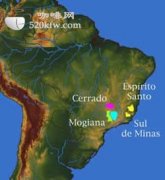
Brazilian coffee beans from the world's fine coffee production area
The low-acidity, moderately roasted coffee beans from the World Coffee Center are vividly compared to the giants and monarchs of the coffee world. There are about 3.97 billion coffee trees there, and small farmers now grow 75% of the country's coffee. The number of coffee producers in Brazil is twice or even three times that of Colombia, the second largest coffee producer in the world. With

Strong demand affects Cooperative Bank to raise shortage forecast of coffee market
Agrimoney.com reported on May 22nd that the latest report of the Dutch Bank of Cooperation (Rabobank) raised its supply shortage forecast for the global coffee market in 2013 by 1 million packets (60 kg each), mainly due to strong demand. The bank also said that in view of the upward forecast of supply shortage in the coffee market, coffee prices will be more sensitive to weather conditions in Brazil, the largest producer.

Brazilian coffee roasting degree Milas Gerais
Brazil, a low-acidity, moderately roasted coffee bean from the World Coffee Center, is vividly compared to the giant and monarch of the coffee world. There are about 3.97 billion coffee trees there, and small farmers now grow 75% of the country's coffee. The number of coffee producers in Brazil is twice or even three times that of Colombia, the second largest coffee producer in the world.
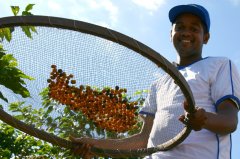
The Variety and Taste of Brazilian Coffee Development of planting, production and picking of Brazilian Coffee
Although the variety of Brazilian coffee is diverse, Brazilian coffee is suitable for the taste of the public. For example, coffee produced in the northern coastal areas has a typical iodine taste, reminiscent of the sea after drinking. This coffee is exported to North America, the Middle East and Eastern Europe. Another kind of coffee that is interesting and worth looking for is washed Bahia. This kind of coffee is not easy.
Brazilian boutique coffee Brazilian Santos boutique coffee beans
★ Brazil Santos ★ comes from South America and Brazil is the world's number one coffee producer, accounting for about 30% of the world's total production. Almost all Santos coffee is produced in southeastern Brazil and is the best coffee in Brazil. Raw bean granules can be found from medium to large, but without green, they are neutral coffee. Brazil's "Vicky Gotti Manor" comes from Brazil's top boutique coffee estate "Fazenda\"
Will the epidemic affect the price of coffee in 2020? what is the difference in the packaging and transportation of coffee in the new season?
The Covid-19 pandemic has affected the entire coffee supply chain. Coffee shops around the world had to close, bakers began to focus on online sales and subscription programs, and consumers drank more coffee at home than ever before. However, for some people in the coffee industry, the main logistical problem is the transportation of raw coffee. Delays in farms and ports have been

Brazilian Coffee Flavor Taste Estate Introduction Brazilian Coffee Features
Brazilian coffee refers to coffee produced in Brazil. There are many types of Brazilian coffee, and just like other Arabica coffees, Brazilian coffee is known as Brazilian coffee Brazils to distinguish it from Milds coffee. The vast majority of Brazilian coffee is unwashed and sun-dried, and is classified according to the state of origin and port of shipment. Brazil has 21 states, 17 of which produce coffee.

Introduction to the characteristics of taste treatment method for flavor description in Brazilian Minas coffee producing area
Introduction to the characteristics of taste treatment method for flavor description in Brazilian Minas coffee producing area. Brazil is the world's largest coffee producer. Brazil accounts for about 1/3 of the world's annual coffee production (by far the world's largest coffee producer and exporter). In 2015, Brazil produced a total of 36.89 million bags of coffee (each bag of 60kg). How many cups of coffee can you imagine? The country's

Description of Flavor of Coffee beans in the Manor of the Land of San Teo, South Minas, Brazil
Description of the Flavor of Coffee beans in the Manor of the Land of San Teo in South Minas, Brazil. The production area of grinding scale varieties introduces that ancient bourbon coffee is grown in some estates in the Serrado district of Minas Greais state in southeastern Brazil. These estates, such as Capin Branco and Vista Allegre, are planted.

The Historical Story of Brazilian Coffee suggestions on the characteristics of hand-flavored Flavor of Brazilian Coffee beans
Professional coffee knowledge exchange more coffee bean information please follow the coffee workshop (Wechat official account cafe_style) Brazil is likened to the giant and monarch of the coffee world. There are about 3.97 billion coffee trees there, and small farmers now grow 75% of the country's coffee. The number of people engaged in coffee production in Brazil is twice or even five times that in Colombia.

Introduction of Brazil Yellow bourbon Coffee Flavor description Grinding Calibration method
Brazilian Yellow bourbon Coffee Flavor description Grinding scale method to introduce Brazilian coffee, generally refers to coffee produced in Brazil. There are many kinds of Brazilian coffee, and like other Arabica coffee, Brazilian coffee is called Brazils to distinguish it from Milds coffee. The vast majority of Brazilian coffee is unwashed and sun-dried and is classified according to the name of the state of origin and port of transport. Brazil has 2.

Dry drying Brazilian boutique coffee beans introduction to Brazilian coffee flavor and taste manors in Brazilian coffee producing areas
Brazilian coffee generally refers to coffee produced in Brazil. There are many kinds of coffee in Brazil. Like other Arabica coffee, Brazilian coffee is called Brazilian coffee Brazils to distinguish it from Milds coffee. The vast majority of Brazilian coffee is unwashed and sun-dried and is classified according to the name of the state of origin and port of transport. Brazil has 21 states and 17 states produce coffee, but among them
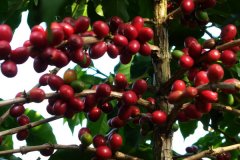
Low-acidity, moderately roasted coffee beans of the World Coffee Center of Central and South America.
Brazil, a low-acidity, moderately roasted coffee bean from the World Coffee Center, is vividly compared to the giant and monarch of the coffee world. There are about 3.97 billion coffee trees there, and small farmers now grow 75% of the country's coffee. The number of coffee producers in Brazil is twice or even three times that of Colombia, the second largest coffee producer in the world.